Programming
A practical guide to writing cleaner PHP
Small functions, explicit boundaries, and a few dependable habits that make a growing PHP codebase easier to understand and maintain.
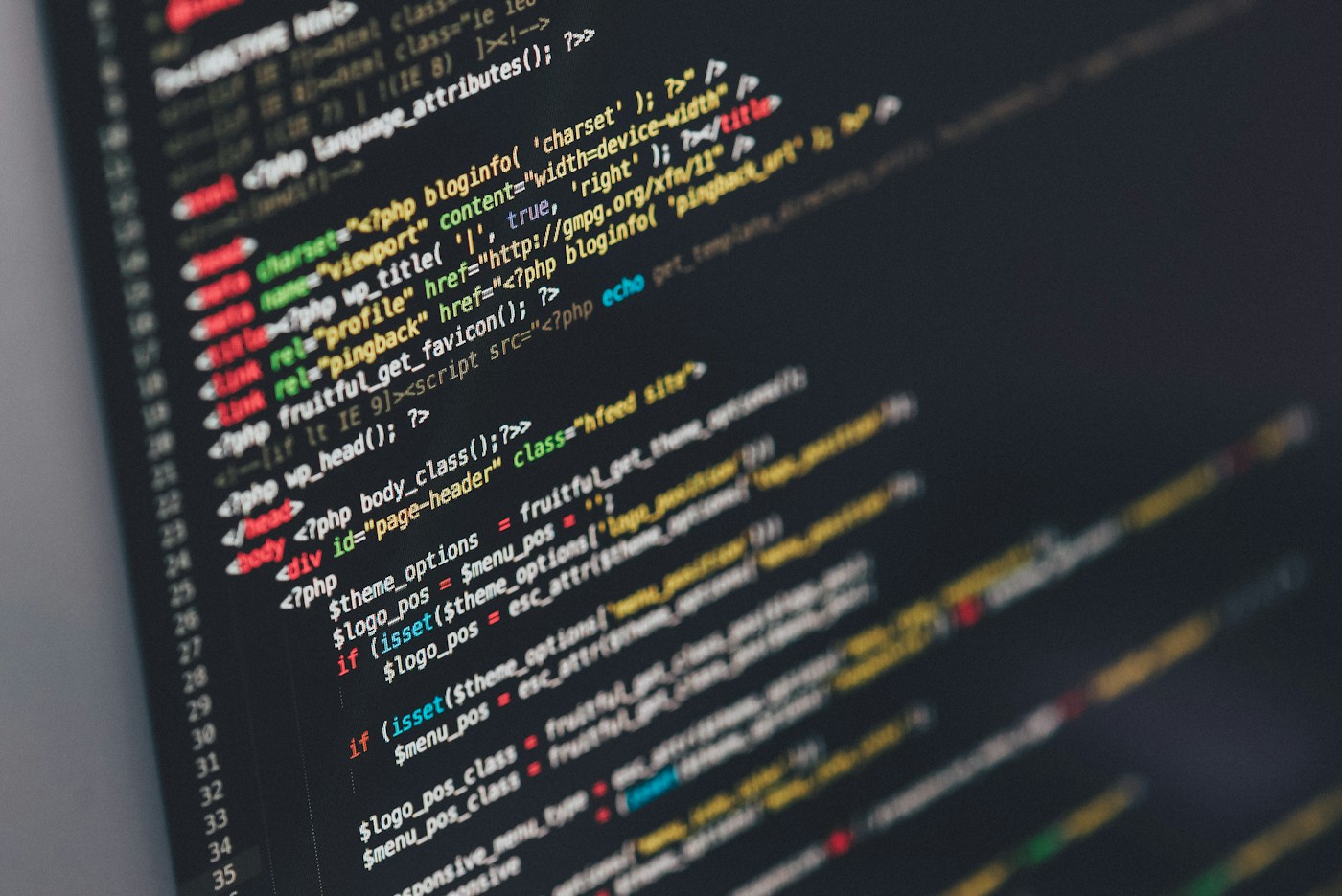
Clean code is not a visual style. It is code that lets another person form an accurate picture of what happens next. In PHP, a few explicit conventions can turn a collection of scripts into a system that remains approachable as it grows.
Make dependencies visible
Pass the information a function needs rather than letting it search global state. Put database work in a model and response handling in a controller. These boundaries are simple, but they reduce the number of places a reader must inspect to understand one action.
Validate at the boundary
A request is an untrusted bag of strings. Convert IDs deliberately, check length limits, and validate relationships before saving. Prepared statements protect the query; validation protects the meaning of the data. Both are necessary.
A better practice begins with one decision you can repeat.
Prefer a small honest function
A function should do one recognizable job and have a useful name. When a block performs several unrelated operations, separate the policy from the mechanism. Write a test around the behavior that matters, such as ownership rules, rather than every internal detail.
Try this today
- Notice one habit connected to this idea.
- Choose a small change that fits your circumstances.
- Write down what worked after a week.
Progress does not need to be dramatic to be real. Give the practice time, and let your own experience shape what comes next.
Related articles
Learning to code by building something small
Trade the endless tutorial queue for one useful project. How a small finished application teaches the connections that isolated exercises miss.
Join the conversation (0)
Share a thought. Be kind. All comments are reviewed before appearing.